
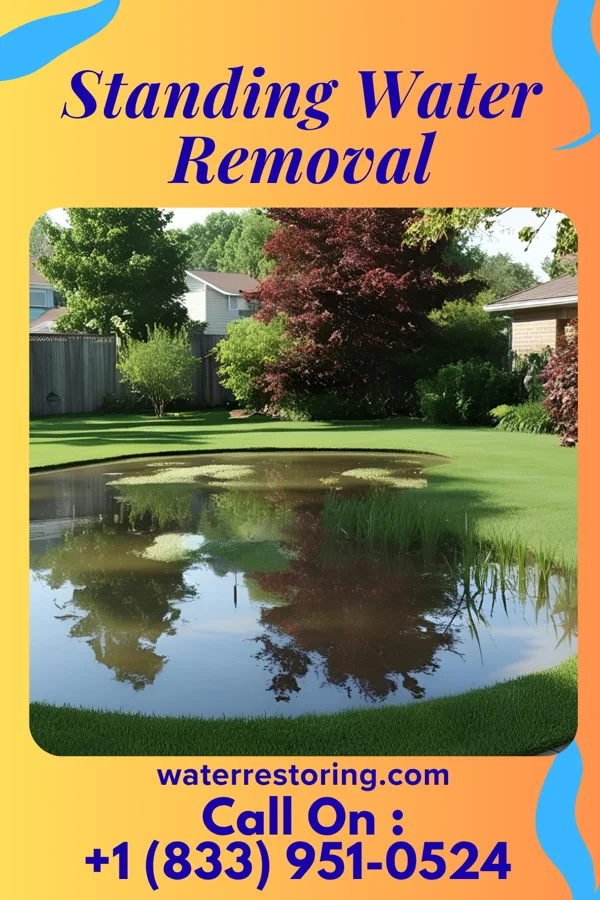
Ground-Water Standing Water in Lebo
Water damage in Lebo tends to cluster in predictable windows because of the local climate. In Lebo, Kansas, primary water damage often stems from agricultural runoff and drainage issues due to the rural landscape and proximity to the Neosho River. Heavy rainfall events can lead to standing water in low-lying areas, particularly around farmsteads and residential properties near Olivet and Neosho Rapids. These conditions create a high risk of water intrusion into basements and crawl spaces. A close second is Secondary causes include broken water lines from nearby farms, leaking septic tanks, and malfunctioning sump pumps in older homes. Additionally, livestock operations in the area can contribute to localized flooding and contamination risks during heavy storms..
Lebo's semi-arid climate with occasional severe thunderstorms increases the risk of sudden water accumulation. The region's flat terrain and lack of natural drainage channels exacerbate the likelihood of prolonged standing water, especially in rural areas with limited infrastructure.
Lebo's semi-arid climate with occasional severe thunderstorms increases the risk of sudden water accumulation. The region's flat terrain and lack of natural drainage channels exacerbate the likelihood of prolonged standing water, especially in rural areas with limited infrastructure. The dominant local driver is In Lebo, Kansas, primary water damage often stems from agricultural runoff and drainage issues due to the rural landscape and proximity to the Neosho River. Heavy rainfall events can lead to standing water in low-lying areas, particularly around farmsteads and residential properties near Olivet and Neosho Rapids. These conditions create a high risk of water intrusion into basements and crawl spaces., with Secondary causes include broken water lines from nearby farms, leaking septic tanks, and malfunctioning sump pumps in older homes. Additionally, livestock operations in the area can contribute to localized flooding and contamination risks during heavy storms. showing up as the next most common cause. Damage builds in stages. Spread. Absorption. Microbial growth. Structural compromise. Every stage you pass through adds to the final bill.